Blog

  • Started in China's Electric Motor Capital, Serving the Global Industrial Landscape
    Started in China's Electric Motor Capital, Serving the Global Industrial Landscape Mar 07, 2025
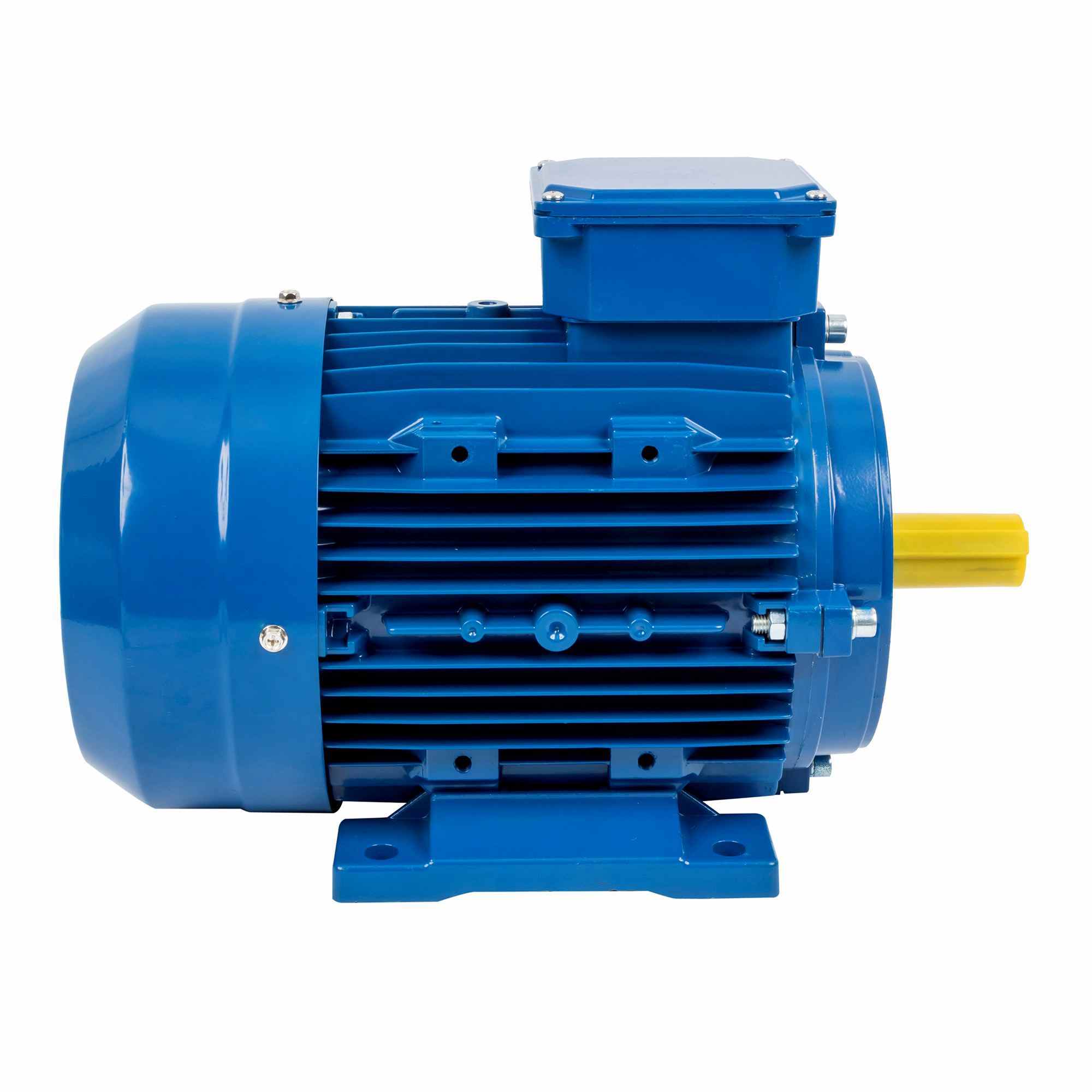
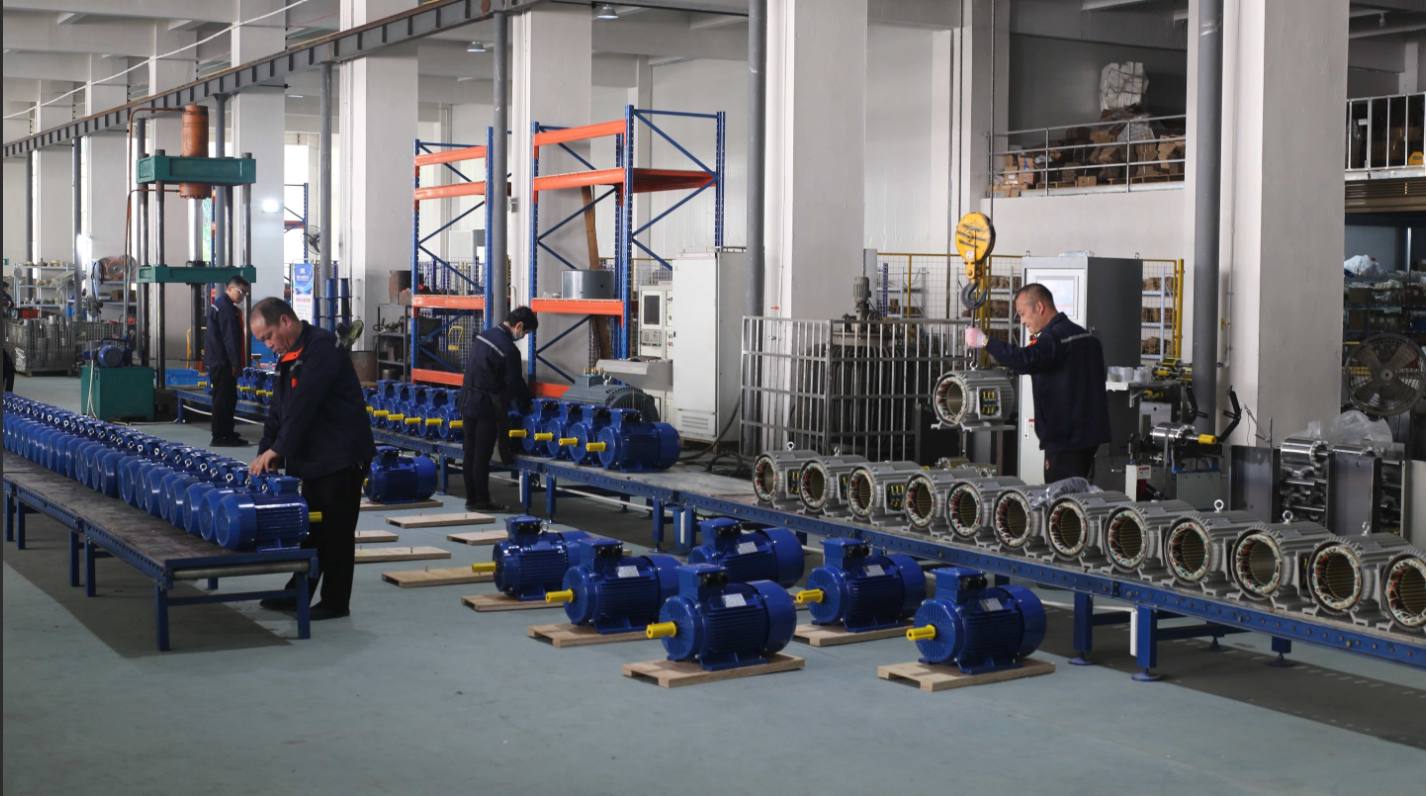
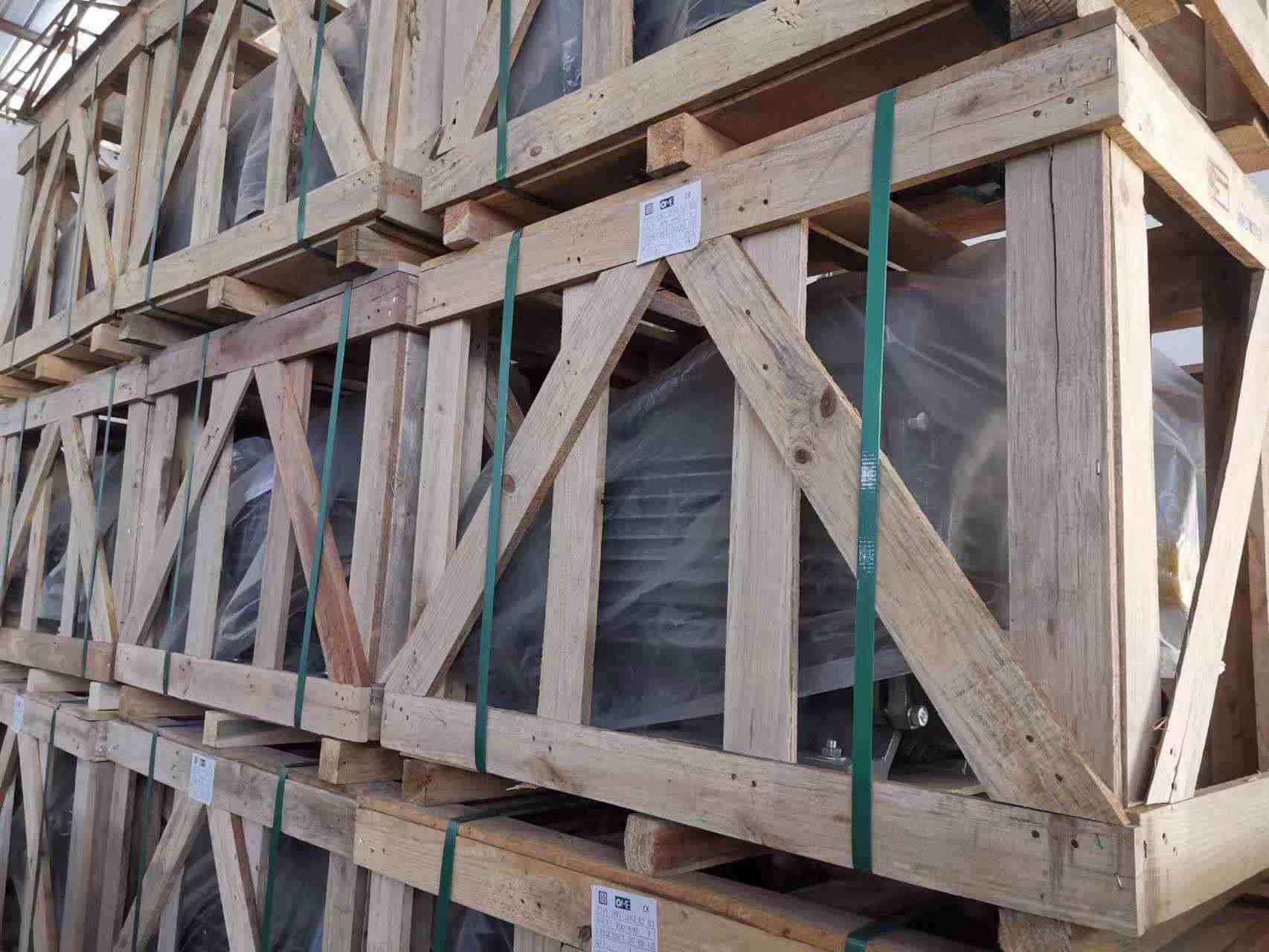
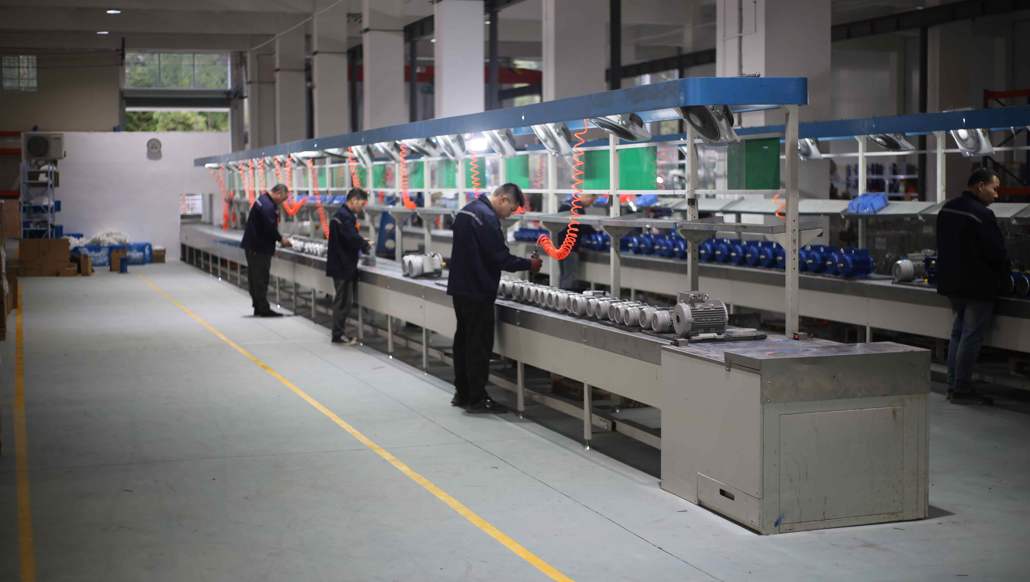
    Started in China's Electric Motor Capital, Serving the Global Industrial Landscape In November 2015, JOVAS ELECTRICAL MACHINERY CO., LTD was developed in Fuan City, Fujian Province, China, a world-renowned motor manufacturing cluster.With 20,000 square meters of intelligent production base and an average annual production capacity of 300,000 motors, we have achieved outstanding results with an annual sales volume of 100 million yuan(PRC), and delivered precision motors "Made in Fu'an" to more than 20 countries in America, Europe, Asia, etc., to provide the core power support for the mining, shipbuilding, intelligent manufacturing, new energy and other fields.We have been providing core power support for mines, ships, intelligent manufacturing, new energy and other fields. "Motor should not just be a transmission component, but the nerve endings of intelligent production" - this is the core concept of our R&D center.Build a value network with German standard + Chinese efficiency."From Fu'an workshop to the world's factory" - this is the growth trajectory of JOVAS, and also epitomizes the participation of China's smart manufacturing in the restructuring of the global value chain.Jovas always keeps the same pace with the progress of the times.   Jovas focuses on cast iron motors and aluminum motors. The advantages of aluminum motors include lightweight, efficient heat dissipation, energy saving or frequent movement scenarios, suitable for such as new energy vehicles, portable equipment. Recommended products include MS(IE1) Three Phase Aluminium Housing Motor、MS2(IE2) Three Phase Aluminium Housing Motor、MS3(IE3) Three Phase Aluminium Housing Motor etc.   Cast iron motors are suitable for heavy duty industrial scenarios (e.g. water pumps, mining machinery) where budget is limited and high strength and long life are required.Recommended products are Y2 Three Phase Cast Iron Motor、YE2(IE2) Three Phase Cast Iron Motor、YE3(IE3)Three Phase Cast Iron Motor etc. Join the JOVAS-driven future Whatever you need: ✅ Energy-saving upgrade program to replace traditional motors ✅ Customized special motors for extreme environments ✅ Servo system integration for automated production lines  
  • Why Choose Single Phase NEMA Motors for Rugged Workplaces in 2025 Aug 19, 2025
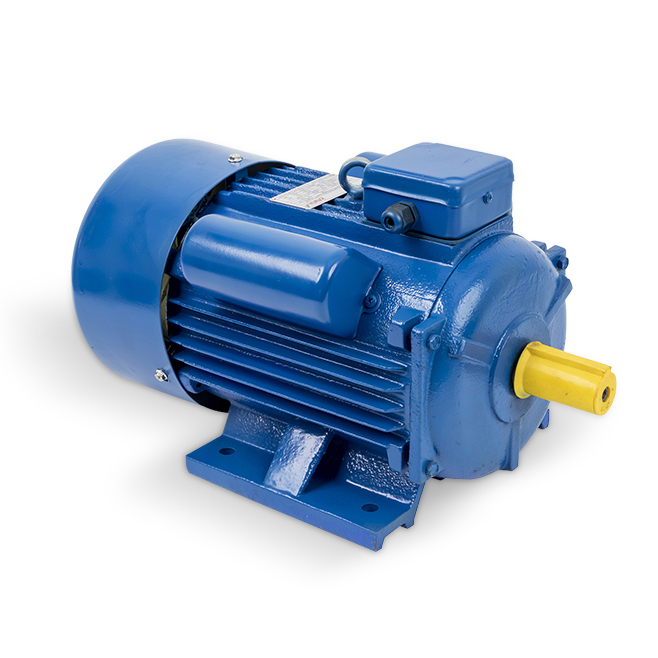
    Single phase NEMA motors stand out as the leading solution for rugged workplaces in 2025. These motors offer unmatched reliability, durability, and efficiency, meeting strict NEMA standards for industrial performance. JOVAS Electric Motors, recognized among High-Efficiency Electric Motors Manufacturers, designs each single phase single phase nema motor with a heavy-duty steel frame and advanced capacitor start for high starting torque. The robust construction, IP44 protection, and low maintenance needs make these motors ideal for demanding environments. Consistent performance and compliance with efficiency regulations position the Nema Standard Motor and Induction Motor series as the smart choice for modern industries.   Key Takeaways Single phase NEMA motors offer strong durability and high starting torque, making them ideal for tough industrial and commercial environments. These motors use advanced designs like capacitor start and heavy steel frames to ensure reliable operation in dusty, wet, or harsh conditions. NEMA premium efficiency standards help reduce energy use and lower costs, while supporting long motor life and stable performance. Choosing the right motor size, enclosure type, and features like thermal overload protection improves efficiency and reduces maintenance needs. JOVAS provides expert support and a wide range of motors that meet strict standards, helping users find the best fit for their rugged workplace needs.   Single Phase NEMA Motor Overview Features Single phase NEMA motors operate by applying a single alternating voltage to the stator winding. This process creates a rotating magnetic field at line frequency. To start the motor, a secondary coil with a capacitor generates a phase shift, which ensures the rotor turns in the correct direction. After startup, a centrifugal switch disconnects the starting circuit. These motors suit environments where a single-phase power supply is available. JOVAS ELECTRICAL MACHINERY CO., LTD’s single phase single phase nema motor stands out due to its advanced engineering and robust construction. The heavy gauge steel frame and base provide exceptional strength. The capacitor start design delivers high starting torque, which is essential for heavy-duty machinery. Ball bearings guarantee smooth operation and long service life. The motor meets NEMA standards for universal design, including standardized dimensions and mounting options. Environmental adaptability allows operation in damp, dusty, or dirty conditions. The product line includes multiple frame sizes and housing options, such as aluminum and cast iron, to enhance durability and performance. Tip: Choosing a single-phase ac motor with a 1.15 service factor helps tolerate temporary overloads, increasing reliability in demanding workplaces.   NEMA Class Key Characteristics Typical Industrial/Commercial Uses Class A High breakdown torque, slip < 5% Steady load industrial applications Class B General-purpose, slip 3-5% or less Fans, pumps, blowers Class C High starting torque, normal current, low slip Conveyors, compressors, heavy-duty machinery Class D Very high starting torque, high slip Elevators, hoists, punch presses Class E High efficiency, low starting torque Motor-generator sets, industrial blowers   Applications Single phase single phase nema motor models from JOVAS ELECTRICAL MACHINERY CO., LTD serve a wide range of uses. These electric motors power compressors, pumps, fans, conveyors, and blowers. They perform reliably in environments with moisture, dust, or dirt. Industrial facilities use these motors for machinery that requires high starting torque and rugged reliability. Commercial buildings rely on single-phase ac motor units for ventilation and water systems. Residential settings benefit from their efficiency and low maintenance needs. NEMA classifications help users select the right electric motors for specific tasks. The variety of single-phase ac motor designs, including capacitor start and asynchronous types, ensures compatibility with different operational requirements. Heavy-duty options meet the demands of challenging industrial applications. The efficiency of these motors supports energy-saving goals and reduces operational costs. Single-phase motors receive one voltage waveform and include types such as shaded pole, permanent split capacitor, split phase, capacitor start/induction run, and capacitor start/capacitor run. NEMA standards define frame sizes, horsepower ratings, service factors, and performance characteristics. JOVAS ELECTRICAL MACHINERY CO., LTD offers motors designed for general purpose use in compressors, pumps, fans, conveyors, and blowers.   Benefits:    Reliability NEMA single phase motors deliver outstanding reliability in rugged workplaces. Manufacturers design these motors with robust insulation systems, such as Class B and Class F, which allow higher operating temperatures and extend insulation life to over 20,000 hours. This design ensures continuous operation even in harsh conditions. JOVAS ELECTRICAL MACHINERY CO., LTD includes ball bearings and overload protection in their motors. These features help the motors operate smoothly and safely, even when exposed to demanding environments. Thermal overload protection shuts down the motor if it overheats, preventing damage and supporting long-term reliability. The motors maintain stable performance in high ambient temperatures, at altitude, or in areas with contamination. These qualities make NEMA motors a trusted choice for continuous operation in industrial settings.   Durability Durability stands as a core advantage of NEMA motors. Heavy gauge steel frames and bases provide exceptional strength, allowing the motors to withstand physical impacts and vibration. The average lifespan of single phase NEMA motors in industrial settings ranges from 5 to 9 years for capacitor-start types, with some smaller models lasting up to 12 years. This long service life results from high-quality materials and careful engineering. Ball bearings, sealed for life, reduce the need for frequent lubrication and protect against moisture. The motors also feature enclosures that shield internal components from dust, dirt, and water. For example, totally enclosed water to air cooled (TEWAC) enclosures offer the highest protection, making these motors ideal for damp, dusty, or dirty environments. This rugged construction ensures that NEMA motors continue to perform where other motors might fail.   Efficiency Efficiency plays a vital role in the performance of NEMA motors. JOVAS ELECTRICAL MACHINERY CO., LTD designs its motors to meet or exceed premium efficiency standards. These motors use optimized winding and capacitor configurations to achieve high efficiency and low starting current. The result is reduced energy consumption and lower operational costs. Premium efficiency motors also operate with less heat and vibration, which further extends their lifespan. Energy savings become significant over time, especially in continuous-use applications. The motors support energy efficiency goals in modern workplaces, helping companies meet regulatory requirements and reduce their environmental impact. High efficiency and motor efficiency combine to deliver both performance and cost benefits. Note: Energy efficient motors not only lower electricity bills but also contribute to a greener workplace by reducing overall energy consumption.   Feature Benefit Premium efficiency Lower energy use and operational costs Motor efficiency Less heat, longer life, and stable output Energy savings Reduced utility expenses and environmental impact   Low Maintenance Low maintenance requirements set NEMA motors apart in demanding environments. The use of double-sealed ball bearings, which are lubricated for life, minimizes the need for regular servicing. Overload protection devices, such as manual reset thermal protectors, ensure that the motors shut down safely during extreme conditions. This reduces the risk of costly repairs and downtime. The simple structure of these motors, combined with robust construction, means fewer parts are likely to fail. Operators can rely on these motors for continuous operation with minimal intervention. The motors’ ability to perform in harsh conditions, including exposure to dust, moisture, and contaminants, further reduces maintenance needs. This reliability translates into long-term savings and uninterrupted productivity. Key maintenance advantages: Lubed-for-life ball bearings Overload protection for safe shutdown Enclosures designed for harsh environments Fewer moving parts, reducing wear and tear Tip: Choosing NEMA motors with the right enclosure type ensures optimal performance and minimal maintenance in any workplace condition.   NEMA Premium Efficiency and Compliance:   Standards NEMA premium efficiency standards set the benchmark for motor performance in 2025. These standards, including the latest ANSI/NEMA 10011:2024, use advanced testing methods that measure the efficiency of motors and their drive systems together. This approach gives a more accurate picture of real-world performance. The standards encourage manufacturers to design motors that deliver high efficiency under actual working conditions, not just in laboratory tests. By focusing on motor-drive combinations, the standards help users select motors that match their application needs and maximize energy savings. The 2025 NEMA premium efficiency requirements push for higher efficiency levels, such as IE4 and IE5. These levels often require new technologies, like permanent magnet motors, which maintain efficiency across different loads. The standards also expand the range of motors that must comply, covering nearly all single-speed induction motors from 1 to 500 horsepower. This broad scope ensures that more workplaces benefit from energy savings and reduced operational costs. The coalition behind these standards projects up to 50 Quadrillion BTUs in energy savings by 2050, with $20 billion in consumer savings already achieved between 2022 and 2025. Note: Enhanced NEMA premium efficiency standards make it easier for users to identify motors that offer the best energy efficiency and long-term savings.   Performance JOVAS ELECTRICAL MACHINERY CO., LTD’s single phase NEMA motors meet or exceed NEMA premium efficiency standards. These motors comply with all key NEMA requirements for power, speed, and efficiency. The NEMA Premium® standard motors from JOVAS deliver high efficiency and reliability in a wide range of applications. Their design ensures stable operation in harsh environments, aligning with NEMA’s protection and operational guidelines. JOVAS motors achieve premium efficiency by using optimized windings and advanced capacitor start designs. The motors support energy efficiency goals, helping users reduce electricity costs and environmental impact. Each motor is built to deliver consistent performance, even in demanding conditions. The NEMA premium efficiency label on JOVAS motors assures users that these products meet or surpass the latest efficiency benchmarks. Many JOVAS models reach above NEMA premium levels, offering even greater energy savings and operational benefits. A focus on premium efficiency means that JOVAS motors help businesses achieve both immediate and long-term savings. Their commitment to enhanced NEMA premium standards ensures that every motor delivers reliable, high efficiency performance. Users can trust JOVAS motors to provide energy savings, durability, and compliance with all current and future regulations.   Feature Benefit NEMA premium efficiency rating Lower energy use and cost savings High efficiency design Consistent performance and reliability Above NEMA premium models Maximum energy savings and compliance Enhanced NEMA premium label Easy identification of top efficiency   Applications in Rugged Workplaces   Industrial Use Single phase nema motors play a vital role in many industrial settings. Companies rely on these motors to power compressors, pumps, fans, conveyors, and blowers. Market analysis shows that asynchronous motors dominate these sectors, driven by the need for energy efficiency and reliable operation. Industrial automation continues to increase demand for these motors. Manufacturers design nema motors to handle harsh conditions, such as dust, moisture, and vibration. Heavy-duty construction and high starting torque allow them to start and run large machinery with ease. The introduction of high-capacity models, like ABB’s AMI 5800 NEMA modular induction motor, highlights the focus on delivering robust performance for demanding applications. These motors support continuous operation, which is essential for production lines and processing plants. Their consistent performance and compliance with efficiency standards make them a preferred choice for rugged workplaces. Note: Selecting the right nema motor ensures reliable operation and reduces downtime in industrial environments.   Household Appliances Nema motors also show remarkable versatility in household and commercial appliances. They operate on single-phase power, making them suitable for residential and light commercial use. Their compact size and simple construction fit well in limited spaces. Many household appliances, such as refrigerators, air conditioners, washing machines, and small pumps, use these motors. The motors provide quiet operation and low vibration, which is important for comfort in household settings. Manufacturers offer a range of power ratings, from 1/6 to 10 Hp, to match different appliance needs. Modern designs achieve high efficiency, helping reduce energy costs and environmental impact. Nema standards ensure compatibility and reliability across various appliances. The motors’ easy installation and off-the-shelf availability make them a practical choice for both new appliances and replacements. Common household appliances using nema motors: Refrigerators Air conditioners Washing machines Small pumps and fans Tip: Matching the motor’s specifications to the appliance ensures optimal performance and long service life.   Choosing the Right Motor:   Selection Tips Selecting the right nema motor for a rugged workplace requires careful evaluation of several factors. Industry experts recommend starting with an assessment of the operating environment. Users should consider ambient temperature, moisture, dust, and contaminants. For example, open drip-proof (ODP) motors work well in clean, dry spaces, while totally enclosed fan-cooled (TEFC) or totally enclosed blower-cooled (TEBC) designs offer better protection in wet or dirty conditions. A step-by-step approach helps ensure optimal performance and efficiency: Assess the environment and select the appropriate motor construction type. Confirm the available power supply and choose a single-phase or three-phase motor as needed. Match the application with the correct nema motor type. ODP motors suit fans and pumps in clean areas, while TEFC or TEBC models excel in harsh environments. Determine the correct motor size to prevent overheating and power loss. Select features such as thermal overload protection and control options tailored to the system. Follow installation guidelines, including proper mounting, wiring, and grounding. Test and commission the motor to verify functionality. Maintain documentation for future troubleshooting. Schedule routine inspections to ensure ongoing efficiency and reliability. Tip: Choosing the right enclosure type and motor size can significantly improve both efficiency and lifespan in demanding workplaces.   Support JOVAS ELECTRICAL MACHINERY CO., LTD provides comprehensive support for customers selecting and operating single phase nema motors. Customers can reach out through multiple channels, including phone, email, WhatsApp, and live chat. The company offers technical assistance and product information to help users make informed decisions. Quick access to support ensures that any questions about installation, operation, or maintenance receive prompt attention. This level of service helps users maximize efficiency and reliability in their applications.    
  • The Essential Differences: IE2 vs IE3 vs IE4 Motor Efficiency Classes
    The Essential Differences: IE2 vs IE3 vs IE4 Motor Efficiency Classes Aug 19, 2025
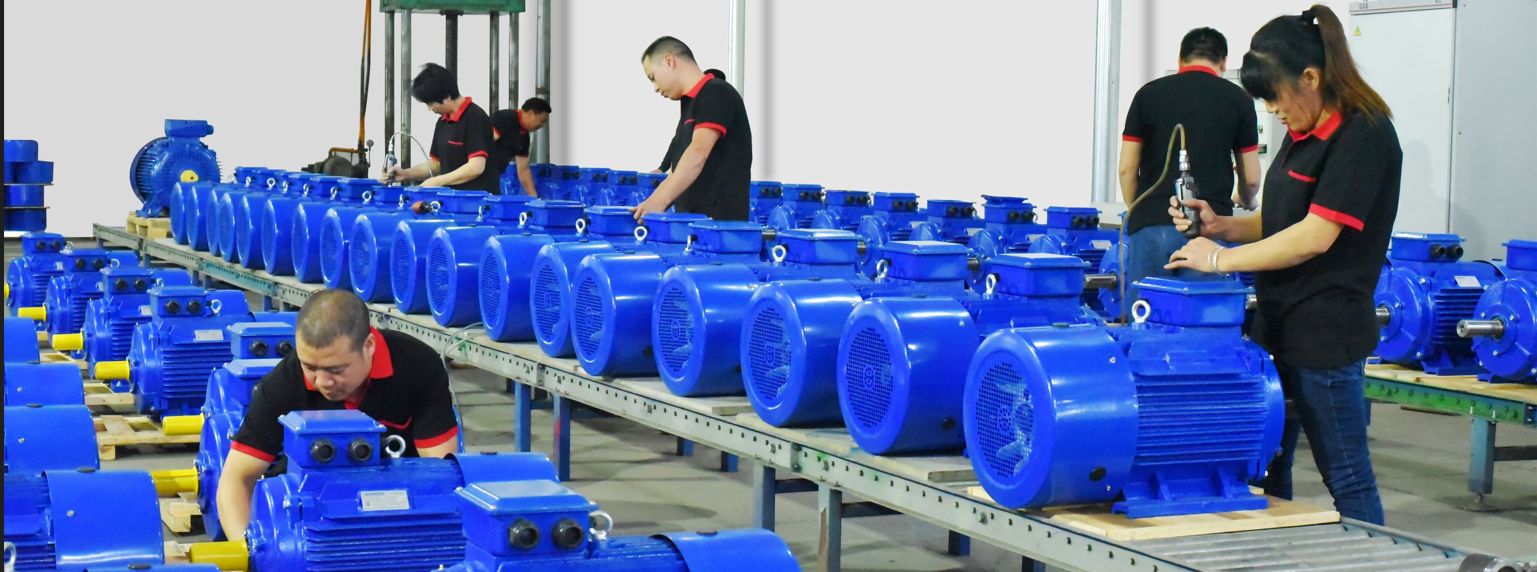
    Electric motor efficiency classifications – IE2, IE3, IE4 – form the global standard (IEC 60034-30-1) defining energy performance. IE2 represents 'High Efficiency', once the baseline but now largely superseded. IE3, designated 'Premium Efficiency', mandates significantly lower energy losses, typically 20% less than IE2. This reduction translates directly into substantial operational cost savings over the motor's lifespan. Reaching IE3 often involves improved materials like higher-grade copper windings, optimized stator and rotor designs, and reduced fan losses.   IE4, 'Super Premium Efficiency', pushes boundaries further, demanding losses roughly 15% lower than IE3. Achieving this ultra-high efficiency necessitates advanced technologies: permanent magnet (PM) synchronous motors (often using rare-earth magnets) or exceptionally refined induction motor designs with minimized electromagnetic and mechanical losses. IE4 motors represent the current efficiency pinnacle for most industrial applications, offering the lowest lifecycle energy consumption but commanding a higher initial purchase price.   The core differences lie in permitted energy losses and required technology. IE3 mandates a clear efficiency jump over IE2 through enhanced conventional design. IE4 demands another substantial leap, frequently relying on fundamentally different motor topologies like PM technology. Regulations drive adoption: major markets like the EU and US now enforce IE3 as the minimum, with IE4 increasingly targeted for new installations seeking maximum savings. The higher upfront cost of IE4 motors often yields a rapid payback (1-3 years) in continuously operated applications due to drastic energy expense reduction. IE5 (Ultra Premium Efficiency) looms as the next frontier.  
  • Why After-Sales Service is Your Most Critical Motor Purchase Factor Aug 20, 2025
      Choosing an industrial motor goes far beyond comparing price and specifications on a datasheet. The true value of your investment is revealed after the sale, making after-sales service not a luxury, but an absolute necessity. Industrial motors are the workhorses of your operation; their failure paralyzes production lines, creates costly downtime, and jeopardizes deadlines. The price of the motor itself is often insignificant compared to the staggering losses incurred from hours of inactivity.   This is where robust after-sales service becomes your strongest defense. Immediate access to expert technical support can mean the difference between a five-minute phone fix and a five-day production halt. Quick access to genuine spare parts and certified repair services ensures a rapid return to operation, preserving your bottom line. A strong service partner provides more than just repairs—they offer proactive guidance, preventive maintenance support, and long-term reliability, transforming a simple transaction into a strategic partnership for operational resilience. Ultimately, you are not just buying a motor; you are buying the assurance of continuous uptime.
  • Why Are Marine Motors Critical for Reliable Ship Operations? Sep 02, 2025
    Marine motors are often called the “heart” of a ship—a critical component that ensures safe, efficient, and reliable operations at sea. From massive container carriers and oil tankers to passenger cruise ships, every vessel depends on a powerful motor for continuous propulsion. Its importance goes beyond just moving the ship: it underpins navigational safety, operational efficiency, and environmental compliance.   First, marine motors supply the necessary power for voyage execution. Modern commercial ships often sail for weeks or even months, crossing vast oceans and facing unpredictable conditions. Only a high-performance engine can maintain stable speed and ensure timely delivery of cargo or passengers, keeping global trade networks flowing smoothly.   Secondly, motor reliability is directly tied to maritime safety. Harsh sea environments raise the stakes—any sudden failure could lead to disastrous outcomes such as drifting, collision, or sinking. A well-designed and properly maintained marine motor helps prevent power loss and supports essential systems including electricity generation, pumping, and navigation equipment. It is fundamental to protecting both crew lives and cargo.   Moreover, the performance of marine motors influences operating costs and environmental impact. Advances in engine technology focus on improving fuel efficiency, reducing emissions, and minimizing noise, helping ship operators meet international environmental standards while cutting fuel expenses.   For these reasons, regular maintenance, technical upgrades, and professional operation are essential. The marine motor serves as the cornerstone of maritime missions—without dependable power, even the most advanced vessel cannot conquer the seas.
  • Why Are Chinese Electric Motors Gaining Popularity in Europe and America?
    Why Are Chinese Electric Motors Gaining Popularity in Europe and America? Sep 03, 2025
    In recent years, a quiet revolution has been taking place in the factories and workshops of Europe and America. Chinese-made electric motors are increasingly becoming the component of choice for businesses and industries. This trend is not accidental but is driven by a powerful combination of quality, cost-effectiveness, and strategic vision. For a long time, European and American markets were synonymous with top-tier engineering. However, the landscape is shifting. Chinese manufacturers have made monumental strides in closing the technology gap. Today, their motors are no longer seen as just cheap alternatives; they are recognized for their reliable performance, high efficiency, and impressive durability, often meeting or even exceeding international standards.   The primary advantage remains compelling value. Chinese motors offer a significantly lower price point without a drastic sacrifice in quality. This allows businesses, especially small and medium-sized enterprises, to reduce costs and remain competitive. Furthermore, China's dominance in the electric vehicle and renewable energy sectors has created a robust and scalable supply chain for critical components like motors. This ecosystem ensures readily available parts and simplifies logistics for global customers. The rise is also bolstered by China’s strategic push towards high-tech manufacturing and green technology, aligning perfectly with global demands for energy-efficient solutions. In essence, the popularity of Chinese motors is a testament to the country's evolving manufacturing prowess—moving from mass production to smart production, offering the world a blend of reliability, innovation, and value that is hard to ignore.  
  • Motor Sourcing Guide
    Motor Sourcing Guide Oct 09, 2026
    For industrial equipment projects, the selection of power components directly affects the operational stability and total life-cycle cost of the entire system. Many overseas buyers focus too much on unit prices during the selection phase and overlook actual compatibility, leading to equipment failures and downtime after commissioning, which results in additional maintenance costs.   Before formally initiating the procurement process, it is recommended to first assess the project’s actual operating conditions, clearly defining the equipment’s continuous operating time, start-stop and speed control requirements, power supply method, and power parameters, while also confirming on-site constraints such as installation space and noise levels. Clear project requirements form the foundation for selecting suitable products; low-cost solutions that are disconnected from the actual application context have no practical value. Power components on the market feature a variety of technical solutions, with each solution tailored to specific application scenarios; there is no single, universal product capable of covering all operating conditions. Some products are better suited for continuous, long-term, high-load operation in industrial settings; others require minimal maintenance and are suitable for equipment that operates continuously, such as fans and compressors; still others are designed for battery-powered environments and are widely used in small devices and automotive applications; and structurally optimized products offer outstanding advantages in noise reduction and service life. Purchasers do not need to delve into the underlying technical principles; they can simply base their decisions on the actual operational requirements at the project site.   Many global buyers are turning their attention to partners in Asia’s manufacturing hubs. The region boasts a well-developed industrial supply chain, where manufacturers can offer flexible customization capabilities and large-scale production capacity, while maintaining controllable costs and adapting to project needs of varying scales. When engaging partners, buyers need to clearly distinguish between manufacturing plants and foreign trade companies, as their service models differ significantly. Manufacturing plants control the entire product R&D and production process. They can directly participate in adjusting product specifications and optimizing manufacturing processes, and are able to provide original factory test reports, on-site factory audits, and sample prototyping services. They respond more directly to issues regarding delivery schedule management, technical coordination, and customization modifications; when product technical issues arise, they can resolve them directly at the R&D and production level. As intermediary entities, foreign trade companies can coordinate with multiple manufacturing partners simultaneously, offering certain conveniences in product price comparisons and consolidated procurement across multiple product categories. However, most trade companies do not control the production process and cannot directly modify manufacturing processes. When faced with complex technical customization requirements, they must relay these requests to the manufacturing partners, which can lead to information loss; delivery schedules and the resolution of technical issues are consequently subject to constraints imposed by upstream manufacturers.   In the early stages of collaboration, it is recommended to verify the partner’s manufacturing background and confirm their ability to supply samples, provide product test reports, offer customization support, meet delivery timelines for bulk orders, and ensure the availability of spare parts and an effective after-sales response mechanism. Simply pursuing the lowest purchase price carries significant risks. If product performance does not align with project operating conditions, the total costs incurred later due to equipment downtime and component replacements will often exceed the savings realized during the procurement phase. Motor procurement requires a comprehensive balancing of project operating conditions, product suitability, and the partner’s overall capabilities. A multi-dimensional assessment can effectively mitigate the vast majority of project risks and ensure the smooth implementation of the project.
  • Chinese Industrial Electric Motors: Real Market Landscape Amid Efficiency Upgrade
    Chinese Industrial Electric Motors: Real Market Landscape Amid Efficiency Upgrade Oct 12, 2026
    Against the global wave of industrial‑equipment modernization, Chinese industrial electric motors draw growing international attention. Mass overseas search traffic centering on motor production capacity, efficiency standards and product variants reflects profound shifts within this industry. Raw production capacity is no longer the core competitive edge. Energy‑efficiency iteration has taken the lead. The shift from IE2 to IE3 and IE4 high‑efficiency classes pushes the whole supply chain to upgrade winding materials, lamination craftsmanship and heat‑dissipation structures. Many conventional general‑purpose motor models are gradually phased out of mainstream markets. Market demands are also diverging: mass‑produced standard motors face fierce price competition, while custom‑built motors for special working conditions emerge as a new growth driver. Nevertheless, challenges remain. Copycat designs are widespread, and quality gaps among manufacturers are substantial. Even motors sharing identical label specifications may differ greatly in real‑world energy loss and heat resistance. As long‑cycle industrial components, their documented datasheet figures are merely references. Actual field performance fundamentally defines the true value of an electric motor.
  • Daily Maintenance Guidance for Industrial Electric Motors
    Daily Maintenance Guidance for Industrial Electric Motors Oct 23, 2026
    Proper routine maintenance extends motor service life and keeps your production line operating steadily. Even high‑quality units require regular checks to avoid unexpected downtime. Whether you cooperate with an electric motor supplier for after‑sales support or arrange in‑house inspection, these practical tips are worth keeping in mind. For factory equipment running on industrial power supply, such as pumps and conveyors from a 3 phase motor supplier, pay extra attention to three‑phase current balance. Unbalanced current may cause overheating and internal component wear. Products provided by an AC motor supplier are widely used in continuous‑duty industrial sites. Regularly check cooling systems including fans and radiators, and clear accumulated dust on motor surface. Blocked heat dissipation is one common cause of motor over‑temperature. Motors supplied by an induction motor supplier feature solid mechanical structures. You need to monitor bearing noise and vibration during operation. Abnormal noise usually reminds you to check lubrication status. If you purchase devices directly from a motor manufacturing company, you can refer to the official operation & maintenance manual they provide. The manual includes suggested lubrication cycles, disassembly notes and fault‑check guidance tailored for their own products. Many end‑users choose a china electric motor for their industrial projects. Besides daily inspection, store spare seals and bearings for quick replacement. It helps you shorten downtime when minor faults occur. Simple regular checks cover temperature, noise, vibration, cable connection and heat‑dissipation condition. Early detection of small issues can prevent large‑scale equipment breakdown. Should you meet technical puzzles during motor operation, JOVAS is available for technical consultation and product‑related support.

Need Help? Chat with us

leave a message
For any request of information or technical support, fill in the form. All fields marked with an asterisk* are required.
Submit
Looking for FAQs?
Contact us #
0593-6795311

Our hours

Mon 11/21 - Wed 11/23: 9 AM - 8 PM
Thu 11/24: closed - Happy Thanksgiving!
Fri 11/25: 8 AM - 10 PM
Sat 11/26 - Sun 11/27: 10 AM - 9 PM
(all hours are Eastern Time)

home

products

whatsApp

Contact Us